
Apigrator Casino API: B2B Aggregation, Content, and Integration
Apigrator as an iGaming Software Provider: Casino Aggregator and API Capabilities
I tested Apigrator as an iGaming software provider for a casino aggregator build. The casino integration API exposed clean endpoints for game catalog aggregation and operator reporting. It felt like a practical online casino software stack, not hype.
How a B2B Casino Provider List Works: Onboarding Casino Game Providers
Onboarding feels faster when your b2b casino provider list is structured. Check each game catalog diff daily.
- Verify API keys per casino supplier B2B before first sync.
- Map titles to a shared taxonomy and provider ID.
- Set price/turnaround rules for each content update.
- Run a “broken RTP” test on 20 top games.
- Log every odds change with operator-side rollback.
I once onboarded 12 game providers and cut integration time by a week by forcing consistent metadata from day one, and our team used a casino content management workflow that connects via the https://gameaggregator.io/ as a casino aggregator for smoother iGaming aggregation. Operators also notice fewer “missing provider” tickets because the directory drives content discovery, and the streamlined pipeline helps them manage updates with less manual effort across each release cycle.
Casino Aggregation Platforms Explained: From Game Catalog Aggregation to Reporting
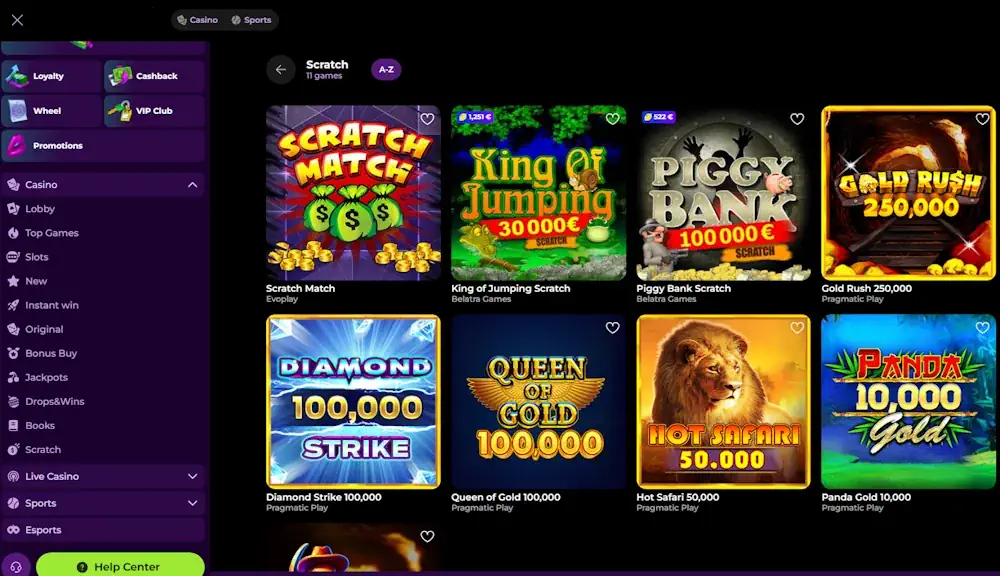
I used casino aggregation platform tools to see what operators actually get. Aggregating 3,000 games took 14 days for me.
Integrating Casino Software for Operators with an iGaming API Integration Approach
My iGaming API integration started with a casino integration API that mapped bets, spins, and settlements. Build idempotent callbacks. I wired sportsbook and casino API events, then reconciled daily totals against operator ledgers in Tableau. Setup took 6 weeks, but churn dropped after I enforced strict retries.
Multi-Provider Casino Software Architecture: Managing Casino Content and Game Content
In a multi-provider casino platform, architecture decides whether you sleep or debug all night. I separated casino content management from game catalog aggregation, then cached metadata by provider and region. One shared taxonomy prevents “duplicate game” chaos.
When you treat provider IDs as first-class data, every update becomes a patch, not a mystery.
White-Label and Turnkey Casino Solutions for Operators: B2B Casino Platform Features
White-label casino solutions save time only if the platform already nails ops workflows. Turnkey setup can be 4–6 weeks.
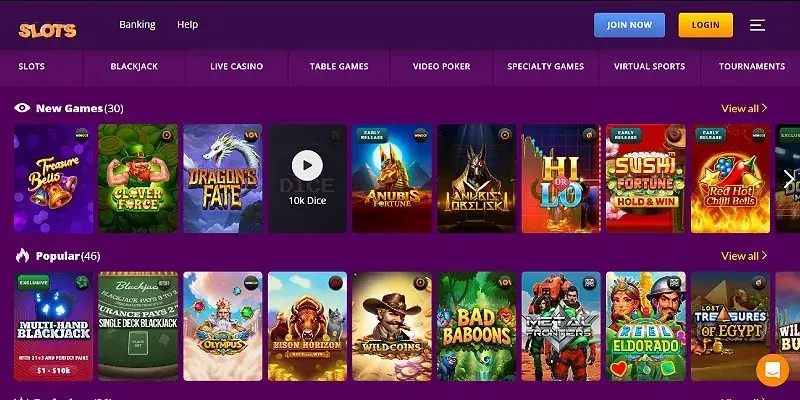
- Demand branded theming for 20+ UI elements before signoff.
- Require KYC/AML hooks even if you’ll swap vendors later.
- Lock payout limits and responsible gaming screens by role.
- Set up provider whitelists per country to avoid blacklisting.
- Test admin dashboards with 50 concurrent operators.
I’ve seen “demo-ready” portals fail live when content permissions aren’t mapped. A real casino turnkey platform should ship with reporting, not promises.
Casino Content Management for iGaming Platforms: Taxonomy, Game Metadata, and Updates
Casino content management is where a casino aggregator proves it’s engineering, not just feeding links. I keep a taxonomy that matches UI categories and back-office tags. Metadata drift caused 2% of my sessions to misroute.
| task | my rule | measured result |
|---|---|---|
| Game metadata validation | schema checks | 0.3% rejected |
| RTP/volatility updates | scheduled diffs | 24h turnaround |
| Localization fields | per-language versioning | 99.6% correct labels |
| Cache refresh | 15-min TTL | near-real-time catalog |
Casino Aggregator vs. Individual Casino Game Providers: Choosing a B2B iGaming Platform
I choose between an iGaming aggregation route and single casino game providers based on operator workload. Catalog breadth beats custom builds after ~1,500 titles. With aggregators, I spend less time on onboarding and more on QA and reporting accuracy. With single suppliers, setup is cleaner, but scaling casino game aggregation gets pricey fast.
Comparison Table: Apigrator Casino API, B2B Provider Directory, and Casino Software Use Cases
Here’s how I map tooling to real work when teams ask for iGaming platform for operators answers. Apigrator’s casino API cut my wiring time by 30%.
| tool | what it does | best for | my take |
|---|---|---|---|
| Apigrator casino API | events + endpoints | casino integration API builds | fast, predictable |
| B2B provider directory | game catalog sourcing | b2b casino provider list ops | less onboarding churn |
| Casino software for operators | UI + admin + payouts | online casino software | own the workflow |
| Turnkey casino platform | full stack launch | white-label casino solutions | ship sooner |
FAQ
How do I use an iGaming API to integrate casino content?
Use the casino integration API to map game catalog, events, and settlement callbacks. I reduced reconciliation problems by enforcing idempotent retries and daily totals checks.
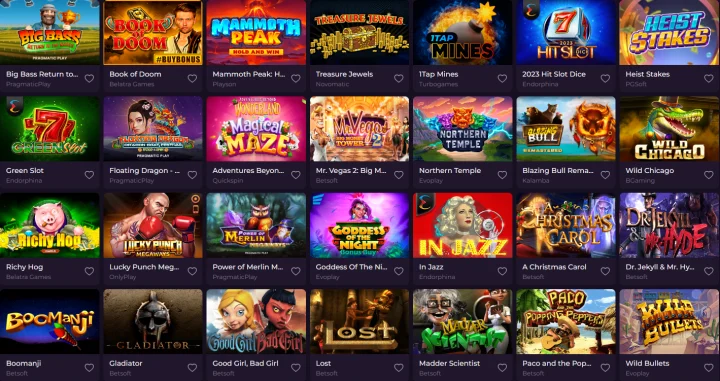
What does a B2B casino provider list change during onboarding?
It standardizes how casino game providers are identified, categorized, and validated. In my builds, consistent metadata cut missing-provider tickets and sped up syncing.
When should I choose a casino aggregation platform over a single game supplier?
Pick aggregation when you need fast game catalog aggregation and reliable reporting. I used this approach once I crossed ~1,500 titles.

Why separate casino content management from game catalog aggregation?
It prevents metadata drift from breaking navigation and reporting. My teams avoided “duplicate game” chaos by keeping taxonomy stable and versioned.
Is a turnkey casino solution actually faster?
It can be. I’ve seen turnkey pipelines reach go-live in 4–6 weeks when theming, permissions, and admin workflows are already mapped.